Impact
Introducing new, agile ways of working for a Midlands’ university to drive organisational value through improving culture and workload predictability.
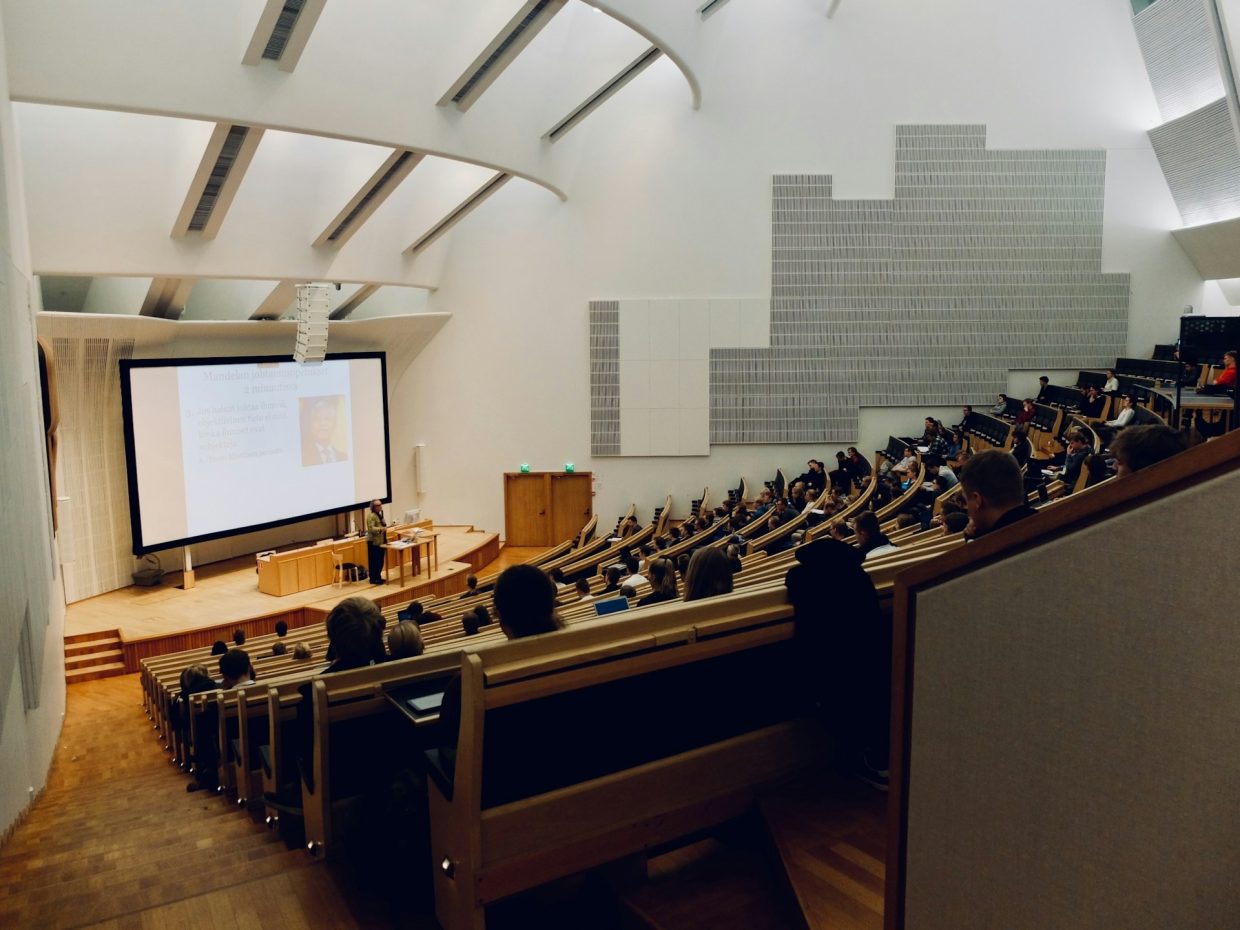
Photo by Brooke Cagle on Unsplash
Created a confident team of agile business champions who are able to maintain improved predictability of workloads within the organisation.

Delivered two short pilot projects to demonstrate the benefits of agile methods of working firsthand.

Embedded new business models to deliver value directly back into the university.

“Working with this engaged team was a pleasure. We worked together to identify areas of improvement and effective solutions, and taking a phased approach through build and test meant that the internal team felt empowered. Through our experience delivering successful change projects, we know that management holds the key to adopting new methods of operating so including all levels of stakeholders meant that the change was championed and will sustain after our time with the University concluded.”
The challenge
One of the leading higher-education providers in Birmingham wanted to improve the overall agility, visibility and predictability of the organisation. We needed to introduce new ways of working that would energise the organisation and the team, whilst also delivering value back to the university.
Our team of experts worked closely with the TMO and Digital Services teams to identify existing practices, processes and current operating model, as well as areas of improvement and, any pain points.
Photo by Brooke Cagle on Unsplash
Our approach
Embedding a new way of working is no easy feat. A test and trial period was adopted to enable softer experimentation and insight gathering, without huge amounts of disruption.
Starting with two pilot schemes, we were able to refine our delivery approach. This ensured a personalised, precise and lasting change programme. By taking a phased rollout approach, our experienced team was able to quickly identify challenges early on. This approach meant we could ensure a smoother transition later down the line.
Our close examination of the pilots also meant we were able to spot knowledge and skills gaps, particularly in regard to consistency and predictability. To upskill the team and improve agility, we introduced tried and tested business models, such as Kanban and Scrum to enhance capacity visualisation across the team. Tailoring each of these methods to fit the organisations objectives and providing thorough training throughout the project ensured successful adoption.
The new prioritisation framework consisted of a big room planning workshop. This enabled us to demonstrate how larger jobs could be broken into more manageable chunks and delivered over a four-week period. Both pilots focused on introducing Scrum planning to improve workload visibility across the wider team.
We worked closely with the University’s leadership team to coach them through the change. In doing so they were able to understand new methods of measuring success, directly aligned with the specific priorities outlined at the start of the project.
We also created a network of four business agility champions . It was their role to uphold the new methods of working after our time with the team came to an end. This team worked closely with our experts to gain confidence and understand the importance of each business model. Alongside this they could maintain the new and improved agility of the organisation to ensure change for good, long after our work is done.